Brian Reynolds

Brian Reynolds is a Founding Partner and Land Broker with Ironhorse Land Company, bringing more than two decades of experience in agricultural business, farm management, and real estate sales. Licensed in Nebraska, Kansas, and South Dakota, Brian is known for his integrity, work ethic, and consistent results serving landowners, investors, and agricultural producers across the Midwest.

Brian’s background is firmly rooted in agriculture. He has pursued advanced education in real estate, agronomy, animal pharmaceuticals, appraisal, farm management, and range management. Combined with hands-on experience working alongside producers during planting and harvest, as well as owning and operating his own cow-calf operation, Brian understands land from the ground up. He knows what drives productivity, profitability, and long-term value in farm and ranch operations.

Brian is a member of the REALTORS® Land Institute. He is driven by a commitment to help clients make informed, confident decisions about their land assets. His practical expertise, professionalism, and client-first approach reflect the standard Ironhorse Land Company is built on.

View My Listings

Land for Sale by Brian Reynolds

New Listing
Frontier County, NE
344± Acres | Frontier County, Nebraska TBD Road 378, Maywood, NE 69038 Property Highlights: 344± acres of well-maintained hard land native pastureExcellent grazing with strong grass and good water distributionTwo water sources including a wellFunctio...
344± Acres
|
$516,000
Western Frontier County Non - Irrigated  - 118± Acres
New Listing
Frontier County, NE
118± Acres | Prime Frontier County Dryland Discover a prime dryland cropland opportunity in the heart of western Frontier County, Nebraska. As part of a two-tract property, this 118± acre non-irrigated tract offers exceptional soi...
118± Acres
|
$371,700
Western Frontier County Non - Irrigated 295± Acres
New Listing
Frontier County, NE
295± Acres | Prime Frontier County Dryland Discover a prime dryland cropland opportunity in the heart of western Frontier County, Nebraska. As part of a two-tract property, this 295± acre non-irrigated tract offers exceptional soi...
295± Acres
|
$955,485
Red Willow County Acreage
New Listing
Red Willow County, NE
3.33 ± Acres | McCook, Nebraska This 3.33 acre property near McCook, Nebraska offers an excellent location with convenient access and outstanding visibility. Situated right along the highway, it provides great exposure, making it an ideal spo...
3.33± Acres
|
$150,000
New Listing
Frontier County, NE
105± Acres | Eustis, Nebraska Located just eight miles south of Eustis, Nebraska, this 105± acre property offers the perfect blend of productive native pasture and exceptional wildlife habitat. With rolling hills, a reliable water sour...
105± Acres
|
$259,000
Western Frontier County Non-Irrigated
New Listing
Frontier County, NE
413± Acres | Prime Frontier County Dryland Discover a prime dryland cropland opportunity in the heart of western Frontier County, Nebraska. This 413± acre farm includes two highly productive non-irrigated tracts featuring exceptional s...
413± Acres
|
$1,327,185
1
2

Contact Brian Reynolds

"*" indicates required fields

Brian Reynolds' Recent Articles

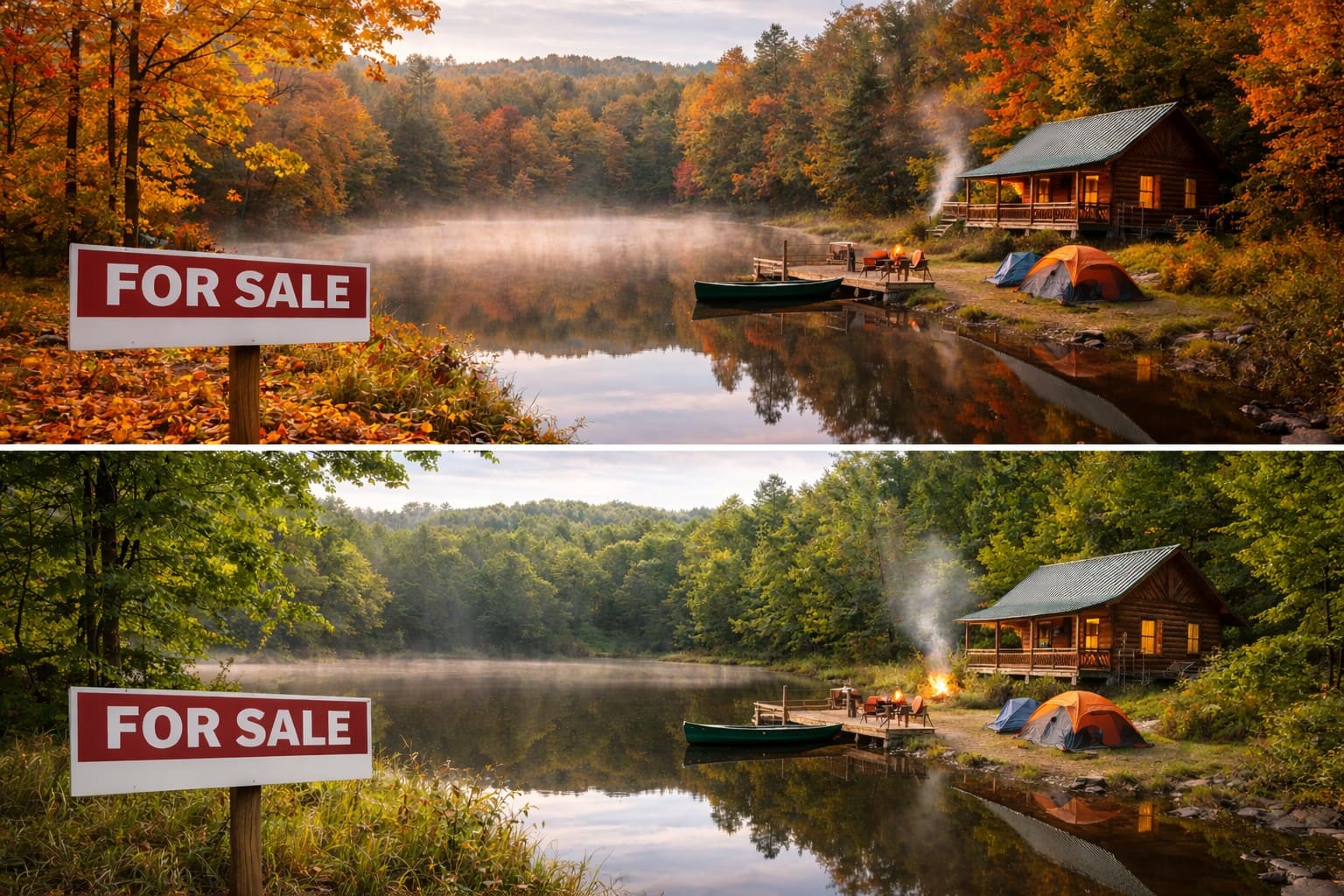
When people think about selling land, they often assume timing is everything. While that may be true for row crop farms tied closely to planting and harvest cycles, recreational property tends to move on a different schedule. The truth is, recreational land sells year-round. Not Just a “Fall Market” Many buyers are drawn to recreational property for hunting, habitat, fishing, and family enjoyment. While fall hunting season gets a lot of attention, serious buyers are looking in every season. In winter, buyers evaluate deer movement, bedding areas, and late-season activity. In spring, they’re thinking about habitat improvements, food plots, and land management. In summer, they’re scouting, planning, and preparing. In fall, they’re ready to hunt. Every season highlights something different about a property. There is no single “perfect” time to list. Buyers Want Time to Prepare One of the biggest advantages of listing in the spring or early summer is giving a buyer time to prepare the property before hunting season. Serious recreational buyers often want time to: Plant food plots Improve access trails Set up blinds and stands Implement habitat improvements Learn the property layout If a property closes in late summer or early fall, a buyer may feel rushed. Listing earlier in the year gives them time to invest in improvements and feel confident heading into the season. Don’t Overthink the Calendar If you’re a landowner thinking about selling, don’t let the calendar hold you back. We often hear, “Maybe I should wait until closer to hunting season.” But motivated buyers are always in the market. Recreational land isn’t as sensitive to seasonal income cycles like farmland. It’s driven by lifestyle, long-term investment, and personal goals. The right buyer could be looking right now. Presentation Matters More Than Season Instead of worrying about the month, focus on: Clean access and good first impressions Clear property boundaries Trail systems that showcase the layout Strong aerials and mapping Quality photography A well-presented property will attract attention regardless of season. At Ironhorse Land Company, we work with buyers and sellers who understand that recreational land is more than just dirt, it’s experience, habitat, and opportunity. If you’ve been considering selling, spring might be just as good a time as any to start the conversation.  Click Here
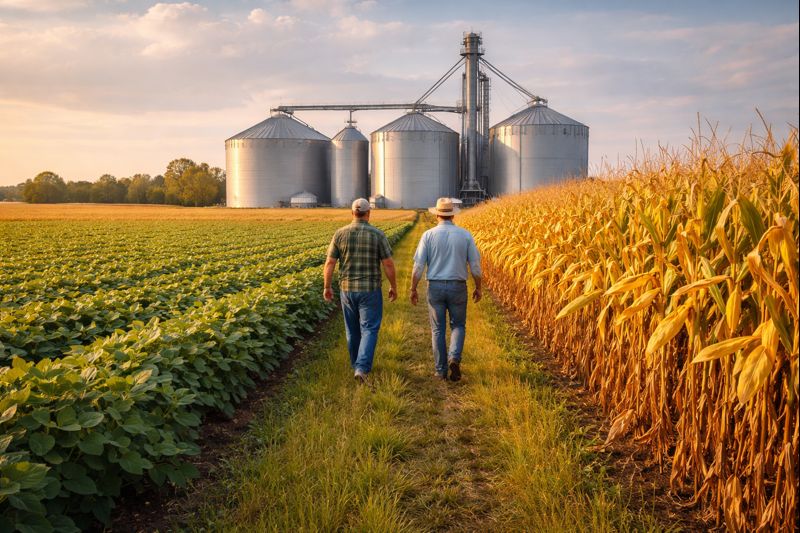
Farm lease structures across agriculture are under growing pressure. Commodity prices have softened. Input costs remain high. Interest rates are elevated. At the same time, property taxes continue to rise for landowners. For landowners, increasing property taxes and fixed ownership costs limit flexibility when it comes to rent reductions. For tenants, tighter margins and higher borrowing costs make traditional lease agreements harder to manage. The result is tension, not because either side is wrong, but because many farm lease structures were created during stronger commodity cycles. This is the point where it makes sense to step back and rethink how farm leases are structured. The Challenge With Traditional Cash Rent Farm Lease Structures Straight cash rent has long been the standard farm lease structure, particularly as you move east. It is simple and predictable, which is why it became popular. In today’s environment, however, it can create real stress for both sides of the agreement. Tenants are often hesitant to pay a full year’s rent upfront when margins are thin and interest rates remain high. Landowners, facing rising property taxes and ownership costs, may be reluctant to split payments or take on the risk of collecting rent later in the year. Both positions are reasonable. The challenge is finding farm lease structures that protect landowners while allowing tenants to manage cash flow and financial risk. Why Collaboration Matters More Than Ever Agriculture has always been cyclical. When commodity prices soften, the strongest operations tend to be those where landowners and tenants treat the lease as a long-term partnership rather than a single-season transaction. Strong farm lease structures are not always rigid ones. In many cases, durability comes from flexibility. Adjusting how rent is calculated or paid can help both sides weather lower price cycles without damaging the working relationship. In periods like this, collaboration is often the difference between stability and conflict. Alternative Farm Lease Structures Worth Considering Crop Share Farm Lease Structures Crop share farm lease structures allow landowners and tenants to share both risk and reward. Advantages include: Landowners participate in upside when yields or commodity prices improve Tenants reduce fixed cash obligations during low-margin years Encourages long-term stewardship and alignment of interests Considerations include: Less predictable income for landowners Requires transparency, trust, and consistent communication Crop share arrangements are not for everyone, but they can work well where both parties are committed to the long-term performance of the land. Guaranteed Bushel Farm Lease Structures Guaranteed bushel farm lease structures set rent as a fixed number of bushels per acre, with the final dollar value determined by when those bushels are priced. This approach offers several advantages in a lower commodity price environment. Rent is tied to the productive capacity of the land rather than peak market pricing Landowners gain clearer expectations around yield-based performance Pricing flexibility allows marketing decisions to be made when conditions are favorable Tenants are not required to fund a full year of rent upfront, improving cash flow and reducing interest expense Guaranteed bushel leases introduce flexibility while maintaining accountability, making them a strong option when margins are compressed. Farm Lease Structures Based on Crop Insurance Prices Some farm lease structures use crop insurance base prices or revenue guarantees as benchmarks for rent calculations. This method provides: A neutral and widely understood pricing reference Reduced conflict during volatile markets A middle ground between fixed cash rent and crop share For many operations, crop insurance based leases offer clarity without forcing either side into extremes. Flexible or Hybrid Cash Rent Farm Lease Structures Hybrid farm lease structures typically include two components. A base rent designed to help cover property taxes and fixed ownership costs A variable component tied to yield or commodity prices This approach gives landowners a level of income security while providing tenants flexibility when margins tighten. In the current environment, hybrid leases are often easier to sustain than rigid cash rent agreements. The Bigger Picture for Farm Lease Structures Rising property taxes, softer commodity prices, and higher borrowing costs have changed the landscape for farm lease structures. Agreements that worked well during stronger cycles may now place unnecessary strain on otherwise solid landowner-tenant relationships. The most successful farm lease structures today are built on: Open communication Realistic expectations A willingness to adapt as markets change Sustainability in agriculture is not just about soil health or yields. It is also about maintaining working relationships that can endure both strong years and challenging ones. Thoughtful, flexible farm lease structures play a critical role in that long-term stability. Frequently Asked Questions About Farm Lease Structures What farm lease structures work best in a lower commodity price environment? In a lower commodity price environment, flexible farm lease structures often perform better than rigid cash rent agreements. Crop share leases, guaranteed bushel leases, and hybrid cash rent structures allow risk to be shared or adjusted based on yields and prices, helping both landowners and tenants manage tighter margins. Are crop share farm lease structures better than cash rent? Crop share farm lease structures are not automatically better, but they can be more resilient during down cycles. They reduce fixed cash obligations for tenants and allow landowners to participate in upside when yields or prices improve. These leases work best when both parties value transparency and long-term collaboration. How do guaranteed bushel farm lease structures work? Guaranteed bushel farm lease structures set rent as a fixed number of bushels per acre rather than a fixed dollar amount. The final rent value depends on when those bushels are priced. This approach ties rent to land productivity and can improve tenant cash flow while giving landowners clearer performance expectations. Can farm lease structures be adjusted mid-cycle? In many cases, farm lease structures can be adjusted if both parties agree. Adjustments are more common during prolonged periods of low commodity prices or rising costs. Open communication and a shared understanding of financial pressures are key to making changes that preserve the long-term relationship. What is a hybrid or flexible cash rent farm lease structure? A hybrid farm lease structure typically combines a base rent with a variable component tied to yield or commodity prices. The base rent helps landowners cover property taxes and ownership costs, while the variable portion allows flexibility when margins are tight. This structure can balance stability and adaptability. Why are farm lease structures under pressure right now? Farm lease structures are under pressure due to softer commodity prices, higher input costs, elevated interest rates, and rising property taxes. Lease agreements designed for stronger cycles may no longer align with today’s economic realities, making flexibility and collaboration more important than ever.
Buying Land Without Waiting for Perfect Buying land as a first-time buyer is exciting. Whether the goal is to build a home, start a ranch, invest for the future, or simply own a piece of ground, land ownership offers flexibility, independence, and long-term value. One of the most common mistakes first-time buyers make, however, is waiting for the perfect property. The idea of finding a flawless piece of land is appealing. In practice, waiting for perfection often leads to missed opportunities, higher prices, and unnecessary frustration. In today’s land market, progress usually beats perfection. The Myth of the Perfect Piece of Land In most active land markets, high-quality properties do not sit unsold for long. Tracts with good location, solid access, nearby utilities, and realistic pricing tend to attract attention quickly. When multiple buyers pursue the same property, competition increases and prices rise. First-time buyers often hesitate, hoping something even better will appear. By the time they are ready to act, the property they liked is already under contract. Waiting for the perfect piece of land often means losing the right one. Why Buying Power Matters More Than You Think Another factor that first-time land buyers sometimes underestimate is buying power. Experienced land buyers often have established relationships with lenders, quicker access to capital, or existing equity they can leverage. First-time buyers may face tighter budgets and longer financing timelines. Delays in financing approval alone can cost a buyer a strong opportunity. This is why preparation matters. Knowing what you can afford and having financing lined up before you shop puts you in a much stronger position when the right property becomes available. A Better Strategy: Progress Over Perfection Rather than holding out for a flawless property, first-time buyers are often better served by focusing on fundamentals. Look for land with: A good location Reliable access Solid long-term potential A property does not need to be perfect on day one to be a smart purchase. With time and thoughtful improvements, many properties can be transformed into something far more valuable. Simple Improvements That Build Value Creating equity does not always require major development. Small, practical improvements can significantly increase usability and long-term appeal. Examples include: Cleaning up neglected areas Installing a well or improving water access Planting trees or windbreaks Repairing or rebuilding fencing These improvements enhance the property for current use while also increasing its appeal to future buyers. Building Equity Creates Opportunity When you take a progress-over-perfection approach, you are not just buying land. You are building options. As improvements are made and value increases, equity begins to form. That equity can often be leveraged through a 1031 exchange, allowing buyers to sell and reinvest into a more desirable property sooner than they expected. Many experienced landowners did not start with their dream property. They started with a smart purchase, made improvements, and used that momentum to move up over time. Final Thoughts on Buying Land as a First-Time Buyer Waiting for perfection often means paying more, missing out, or being priced out entirely. The right land is usually the property that fits your budget, has strong fundamentals, and positions you well for the future, not the one that checks every box on day one. At Ironhorse Land Company, our goal is to help buyers recognize real opportunities and make informed decisions. With the right mindset, preparation, and guidance, land ownership is often closer than it appears. If you are considering buying land and want help evaluating opportunities or planning a smart path forward, Ironhorse Land Company is here to help.