Owning farmland or pasture is a long-term investment, and protecting that investment often comes down to how the land is cared for over time. While many factors that influence land values are outside a landowner’s control, there are practical improvements that can increase farmland value by improving the productivity, appearance, and overall functionality of a property.
The good news is that creating value does not always require a major transformation or a large investment. Often, it is the accumulation of thoughtful improvements and consistent management that makes the difference. Better water, maintained fencing, healthy grass, good access, and well-documented improvements can make a property easier to operate today and more attractive to potential buyers when the time eventually comes to sell.
For landowners thinking about the long-term value of their farm or ranch, there are several areas worth considering.
Start With Water
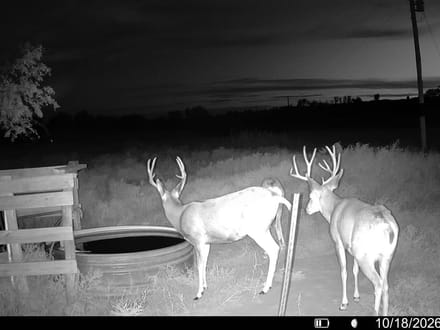
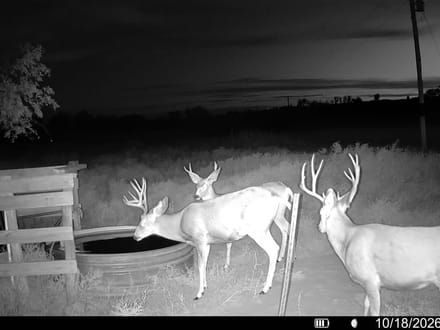
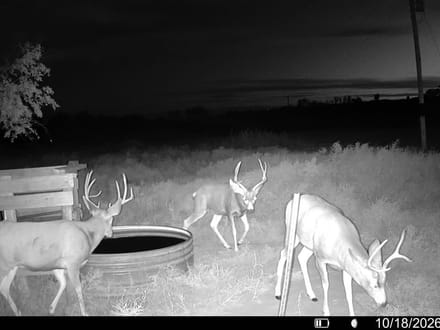
Good water is one of the most important assets on a livestock operation. A reliable, well-planned water system can influence how efficiently a property is grazed and how useful different areas of the pasture are throughout the year.
Adding a livestock well, pipeline, or tanks, or improving an existing water system, can make a pasture more functional and provide better grazing distribution. When livestock can reliably access water throughout a property, landowners may also have greater flexibility in how they utilize different areas of the land.
Depending on the project, landowners may have access to conservation and cost-share programs that can help with the expense of certain improvements. Programs such as the Environmental Quality Incentives Program (EQIP), administered through USDA's Natural Resources Conservation Service, can provide financial assistance for eligible conservation practices.
Eligibility, available practices, and cost-share amounts vary by program, property, and circumstances, so it is worth visiting with your local NRCS office before beginning a project.
Good Fencing Makes a Difference
Fencing is one of those improvements that can affect both the day-to-day operation of a property and the impression it makes on a prospective buyer.
Replacing worn-out perimeter fence, repairing problem areas, or simply getting existing fence properly stretched and maintained can improve functionality without requiring a complete overhaul. Good fencing makes livestock management easier, but it can also tell a prospective buyer something about how the property has been cared for.
Where practical, cross-fencing can take that functionality another step further. Dividing a larger pasture into smaller grazing areas provides greater flexibility in pasture management and may allow a landowner to better utilize available grass through rotational grazing.
Cross-fencing will not make sense for every operation. When the property, water system, and grazing plan support it, however, it can be a worthwhile improvement.
Protect the Grass You Already Have
Some of the most important investments a landowner can make do not involve building anything.
Maintaining proper stocking rates and avoiding overgrazing helps protect the grass resource and preserve the long-term productivity of a property. A healthy, well-managed pasture is an asset. Taking too much from the land year after year can eventually affect both its productivity and its appeal.
That same long-term approach applies to overall pasture management. Weed control, prescribed burning where appropriate, maintaining desirable grass species, and thoughtful grazing management can all contribute to healthier, more productive ground.
Eastern red cedar control can be particularly important on pastureland. Left unmanaged, cedar trees can spread quickly and become a much larger issue. Controlling cedars can improve grass production, water availability, access, wildlife habitat, and the overall appearance of the property.
Addressing cedar trees before they become established can also be easier and less expensive than dealing with a larger problem later. Like many aspects of land management, consistency can have a significant impact over time.
While no single management practice will increase farmland value on every property, protecting the productivity and usability of the land can help preserve what makes the property valuable in the first place.
Don't Overlook Access and Maintenance
A productive property still needs to be accessible.
Maintaining roads, entrances, approaches, gates, and other access points can make a farm or ranch easier to operate today and easier for a prospective buyer to navigate in the future. Good access can influence everything from livestock management and maintenance to hunting and simply being able to reach different areas of the property.
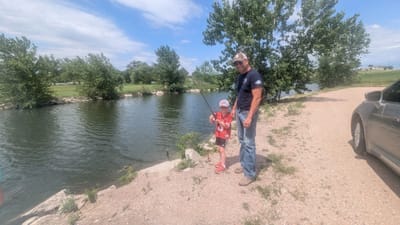
The same principle applies to improvements already in place. Ponds, tanks, wells, pipelines, fences, and other infrastructure represent investments in the property. Keeping those improvements functional helps protect the money already spent on them and can prevent small maintenance issues from becoming larger, more expensive problems.
Individually, these may seem like relatively minor details. Together, they contribute to how a property operates, how it has been cared for, and how it presents when the time comes to market it.
Keep a Record of Your Improvements
One of the easiest things for landowners to overlook is documenting the work that has gone into their property.
Keep records of wells, pipelines, fencing, conservation projects, leases, grazing improvements, and other major investments. If you participate in a cost-share or conservation program, keep copies of the associated paperwork as well.
Those records can help tell the story of the property. They give a future buyer and their land agent useful information about what has been done, when improvements were made, and how the property has been managed over time.
Not every investment in a farm is immediately visible from the road or during a property tour. Good documentation helps provide a clearer picture of the work and resources that have gone into the land.
How to Increase Farmland Value Over Time
A landowner may not be thinking about selling today, and that's okay. Many of the decisions that can help protect the long-term value of a farm or ranch are best made well before a property ever reaches the market.
Taking care of the grass, maintaining infrastructure, improving water and access, controlling unwanted vegetation, and documenting those investments can make the property better to own and operate today while putting the landowner in a stronger position whenever the day to sell does come.
There is no universal formula to increase farmland value because every farm and ranch has different resources, challenges, and opportunities. What matters is understanding the land you have, taking care of the resources already there, and making improvements that support its productivity and usefulness over time.
At Ironhorse Land Company, our agents understand that every property is different. We work with farms, ranches, recreational properties, and working land across a variety of markets, giving our team firsthand insight into the features landowners value and the things buyers notice when evaluating a property.
Whether you are actively preparing to sell or simply thinking about the future of your land, thoughtful stewardship today can put you in a better position tomorrow. If you are considering improvements to your property or want to better understand what buyers are looking for in your market, an Ironhorse Land Company agent is always happy to visit with you and be a resource.