Koby Rickertsen, ALC

HQ

828 Lake Avenue
Suite A
Gothenburg, NE 69138

Licensed in AL, AR, CO, IA, KS, MN, MO, NE, OK, SD, WA, WY

(308) 529-0067

View Koby's Listings

View Site

Koby Rickertsen, ALC

Buying and selling property is always a significant decision, but when it comes to land, the stakes and the opportunities run deeper. I’m Koby Rickertsen, Founding Partner, CEO, and Managing Broker of Ironhorse Land Company, a multi-state brokerage specializing in farm, ranch, recreational, and development land.

I’m a Nebraska native with deep agricultural roots, raised working on my family’s farm in Lincoln and Dawson Counties. My connection to land started early, from agronomy classes before I was ten years old to scouting fields for a dollar an hour. That hands-on upbringing, combined with 13 years in the U.S. Navy Submarine Force, shaped my work ethic, discipline, and respect for the people who earn their living from the land.

Over the years, I’ve built, led, and sold multiple successful businesses, including RE/MAX Home, Farm & Ranch. Today, through Ironhorse Land Company, I lead a team of elite land professionals united by a single mission, helping landowners, investors, and buyers make informed decisions and build lasting legacies.

As an Accredited Land Consultant (ALC), Senior Real Estate Specialist (SRES), and proud member of the REALTORS® Land Institute, I bring practical expertise, straight talk, and integrity to every transaction. I am licensed across Arkansas, Alabama, Colorado, Iowa, Kansas, Missouri, Nebraska, Oklahoma, South Dakota, Wisconsin, and Wyoming.

Whether you are buying your first parcel, selling a generational family farm, or evaluating land investment opportunities across the Midwest and Great Plains, my objective is simple, to ensure every acre you own, buy, or sell reaches its full potential.

View My Listings

Testimonials

Client
Buying or selling a property is one of the most important financial decisions of your life! Do yourself a favor and put Koby to work for you! His work ethic and commitment set him higher then the rest!
Roger S.
Buyer
This will be long winded but I truly believe Koby is the best realtor I have met by far. I had the awesome experience of working with Koby. He is an amazing asset. Every single question I had throughout the process he was there with an answer and if he didn't have it right then he would get it back to me quickly. He's also very comedic and keep you in a positive attitude. He was a big help when going to look at properties. He doesn't steer you in any direction but he will show you pros and cons of all the properties without bias. When I did decide on a property he also provided a moving truck and trailer for free of charge to move from Kansas to Nebraska. He will go out of his way to help you in any way he can. If and when I decide to sell my property and purchase another I will most definitely bring my business back to him. He is the best realty agency I have ever worked with and cant wait to work with him again!
Jeffrey S.
Client
Koby was a great help and was very knowledgeable.
John W.
Seller
Advertising of my property is unmatched by any local realtors. The drone pictures were awesome. Sold my property fast. No one will work harder for you.
Don F.
Client
Very friendly, professional and prompt to answer my calls. I really enjoy working with Koby. 5 Stars!
Bayla R.
Seller & Buyer
He was not only our selling agent but also our buying agent. He was great! He helped us orchestrate our selling and buying even after we changed our minds several times on what we were looking for. He was patient and not pushy at all. I would recommend! 5 Stars!
Carla B.
Client
Koby is a GREAT person and a Great person to work with. A true PROFESSIONAL and he knows his job. I am positive he can make your buying/selling experience a GREAT one too!!!!!! Thanks Koby!
Don N.

Land for Sale by Koby Rickertsen, ALC

New Listing
Lincoln County, NE
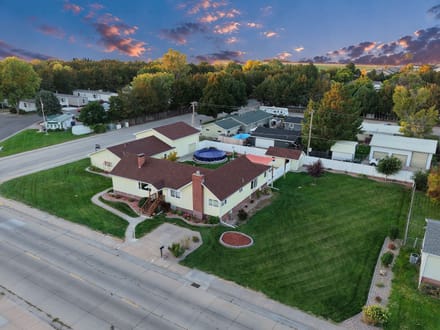
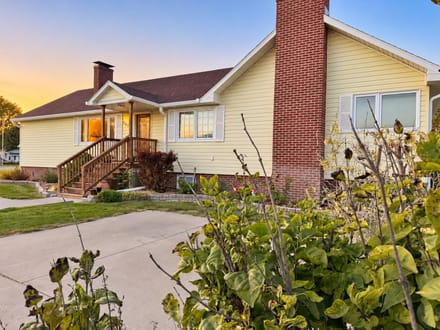
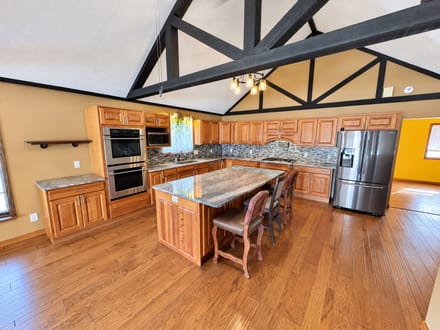
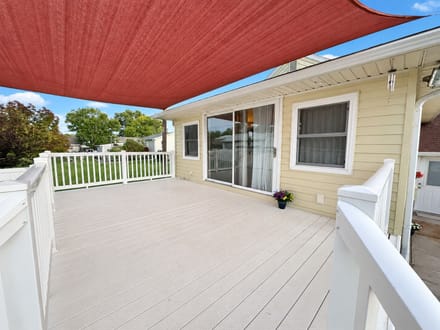
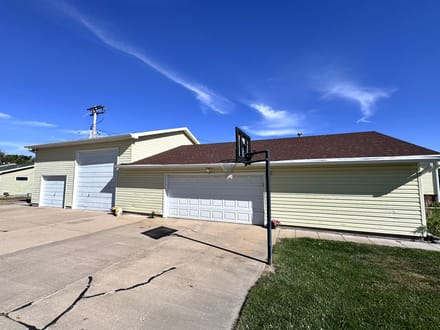
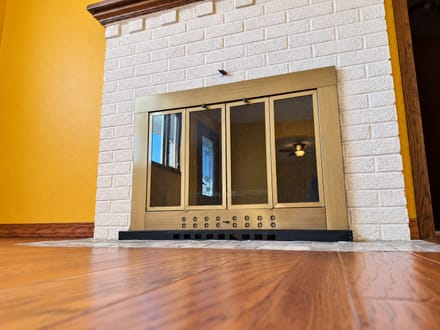
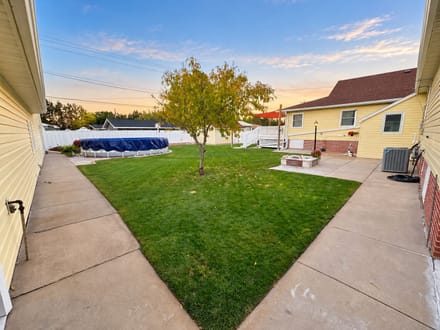
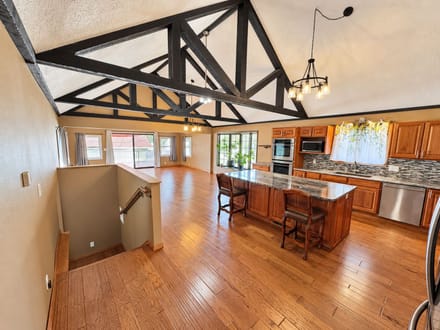
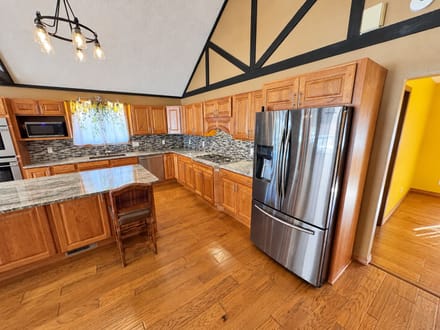
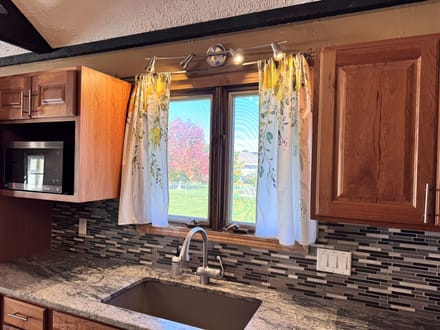
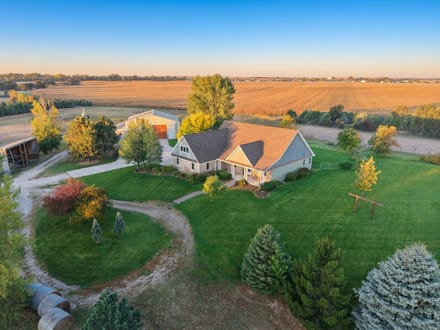
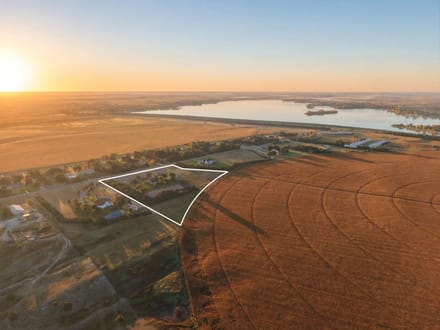
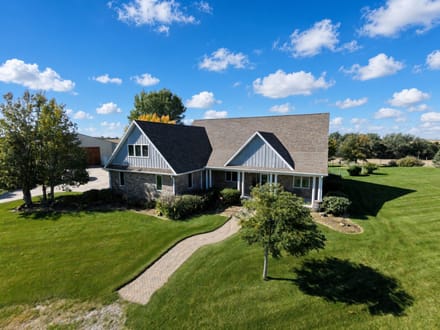
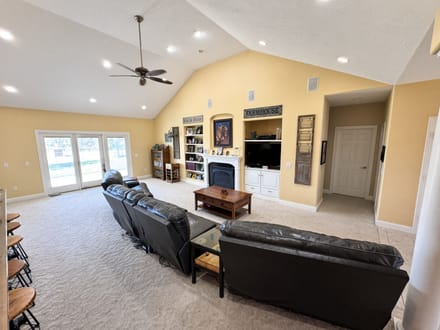
There's a lot to appreciate here. An impressive kitchen, a beautifully established backyard, a setting spanning nearly three residential lots, and a seven-car garage with room for vehicles, equipment, and projects. Each brings something different to ...
0.55± Acres
|
$456,000
Lincoln County, NE
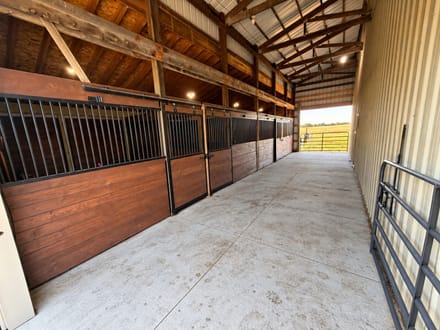
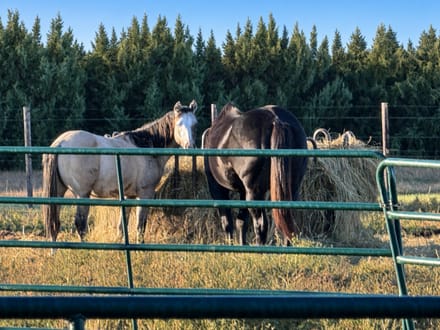
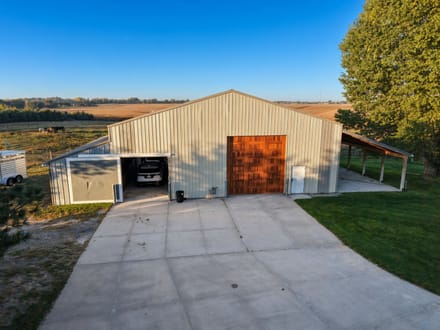
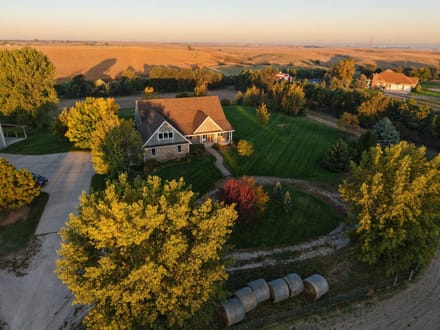
10.52 Acres with Home, Horse Facilities and Heated Shop Near North PlatteKeep your horses at home, put the shop to work year-round, and take a paved county road into North Platte. At 8184 South Buffalo Bill Road, this 10.52 acre property brings toget...
10.52± Acres
|
$1,200,000
Under Contract
Dawson County, NE
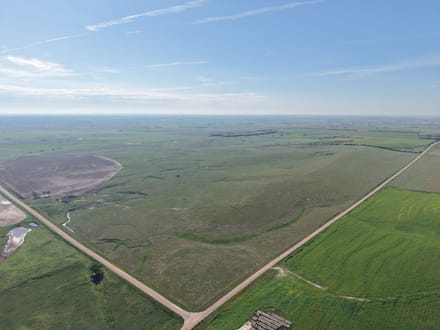
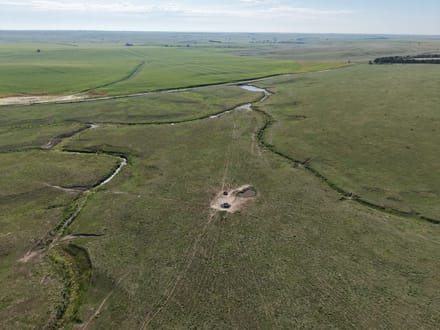
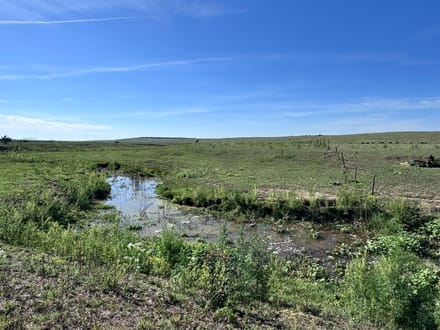
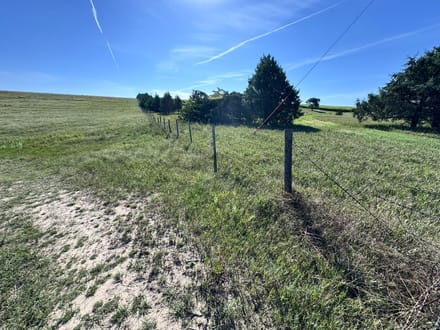
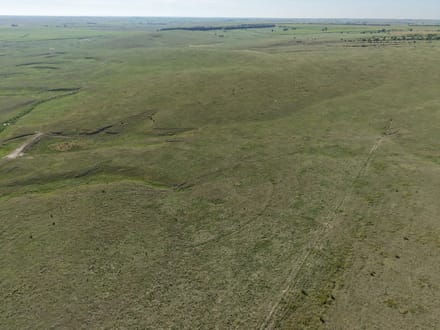
477 ACRES OF DAWSON COUNTY PASTURE | JUST NORTH OF FARNAM, NEBRASKAThis is a straight grass property. 477 acres +/- of pasture about three miles north of Farnam. The perimeter fence is in good shape, the stock water system is fed by a well, and a cre...
477± Acres
|
$834,750
Under Contract
Frontier County, NE
275 Acres | Frontier County, Nebraska | Eustis, NEMiddle Canyon Pasture & Recreation runs approximately 275 acres just south of Eustis, in Frontier County, Nebraska, with roughly 65 acres in dryland farm ground and the remaining 210 or so in gras...
275± Acres
|
$620,000
New Listing
Lincoln County, NE
North Platte I-80 Development Land | 29.59 Acres Located along South River Road in North Platte, Nebraska, this 29.59± acre property presents a unique opportunity for development, investment, or agricultural use in a highly accessible location. The p...
29± Acres
|
$4,800,000
Under Contract
Lincoln County, NE
Cedar Bluff PastureBrady, Lincoln County, NebraskaLarge, contiguous ranches of this caliber are becoming increasingly difficult to find. Cedar Bluff Pasture presents an exceptional opportunity to own approximately 625 acres of productive Nebraska pas...
625± Acres
|
$995,000
1
2

Contact Koby Rickertsen, ALC

"*" indicates required fields

Koby Rickertsen, ALC's Recent Articles

Not All Hunting Land Is Created Equal What separates a good hunting property from a great one often has little to do with the number of acres on the deed. Hunting land has a way of looking better on paper than it does in November. A listing might boast 200 acres of hardwood timber, established food plots, and a history of mature bucks, but those details don't tell you much about how the property actually hunts. Where the deer bed, how they move through the surrounding ground, and whether you can reach a stand without disturbing them are considerably harder to capture in a listing description. Two properties with similar acreage, terrain, and asking prices can offer entirely different hunting opportunities. One may provide consistent daylight movement and enough room to hunt several wind directions, while the other requires you to cross half the property just to reach a stand. Understanding what makes good hunting land requires looking at the property as a working piece of habitat, with its own limitations, opportunities, and relationship to the surrounding landscape. Acreage Only Tells Part of the Story There's a natural tendency to focus on acreage when shopping for recreational land. Larger tracts offer obvious advantages, particularly for buyers interested in habitat management, multiple hunting locations, or maintaining some separation from neighboring properties. But the number of acres alone is a poor measure of hunting quality. Property configuration deserves just as much consideration. An 80-acre tract with a favorable layout, thick cover, and access along the perimeter may be easier to hunt than a much larger property where the only road cuts directly through the best habitat. Narrow parcels, irregular boundaries, and the location of neighboring improvements can all influence how much of a property is practical to hunt. The surrounding landscape also plays a role. A relatively small tract bordering extensive agricultural ground or large blocks of timber may offer opportunities that aren't apparent from its acreage alone. Conversely, a larger property surrounded by development or subjected to substantial hunting pressure may require a different management approach. None of this means smaller properties are inherently better. Larger tracts generally provide greater flexibility and more opportunities to influence habitat conditions. The important distinction is between owning acreage and owning acreage that serves your intended purpose. Good Deer Habitat Isn't Always Pretty Mature hardwood timber is one of the most appealing features of a hunting property, particularly in areas where oaks provide an important seasonal food source. A healthy stand of white oaks can draw deer from surrounding areas when acorns are falling, and established timber offers obvious recreational and potential economic value. But mature woods aren't necessarily complete deer habitat. Where the canopy is dense enough to limit sunlight, the forest floor may offer relatively little browse or bedding cover. Deer rely heavily on vegetation within reach, and properties lacking young growth can provide fewer feeding and security opportunities than their appearance suggests. This is where habitat diversity becomes important. A combination of mature timber, regenerating forest, native grasses, brushy edges, and open ground can provide resources at different times of the year. Timber harvests, prescribed fire, and other management practices, where appropriate, may help improve habitat conditions by encouraging new growth. Food plots are another consideration, although their value depends heavily on placement and the resources already available. A well-maintained plot can supplement natural forage and provide hunting opportunities, but it won't necessarily overcome a shortage of security cover or excessive disturbance. The most useful question isn't whether a property has food plots or mature timber. It's whether the habitat gives wildlife a reason to use the property consistently, particularly during daylight hours. That assessment should also account for the species being pursued. Good whitetail habitat and good turkey habitat share certain characteristics, but their requirements aren't identical. A buyer interested in both species should consider nesting and brood-rearing cover, roosting timber, and open areas alongside traditional deer management priorities. How a Property Hunts Matters as Much as What Lives There A property can support an impressive deer population and still be difficult to hunt effectively. Access, wind, terrain, and human disturbance often determine whether the opportunities suggested by the habitat can actually be realized. Consider the location of bedding cover relative to existing roads and trails. If reaching a stand requires repeatedly walking through an area where deer spend their daylight hours, the property may become increasingly difficult to hunt as the season progresses. The same concern applies to stand locations that offer limited options for approaching under different wind conditions. Terrain can either complicate or improve these situations. Ridges, saddles, draws, and creek bottoms influence how deer travel, while changes in elevation can affect wind behavior and visibility. In hill country, shifting thermals and swirling winds can make a promising location challenging under certain conditions. Aerial imagery and topographic maps are useful starting points, but they rarely provide a complete understanding of a property. An established trail may appear to offer convenient access until you discover that it passes directly through a bedding area. A creek crossing may be manageable during dry weather and inaccessible after a heavy rain. Walking the ground with these considerations in mind can reveal opportunities for improved access, alternative stand locations, or habitat management. It can also identify limitations that would be difficult or expensive to address after purchase. For buyers planning to manage their own land, practical access for tractors, equipment, and maintenance deserves attention as well. A property that is difficult to navigate outside hunting season can become an expensive undertaking when improvements are needed. The Property Lines Don't Mean Much to a Deer One of the more complicated aspects of evaluating hunting land is determining how wildlife uses the surrounding landscape. A property may provide excellent bedding cover while neighboring agricultural fields supply much of the food. Another tract may offer productive feeding areas but depend on adjacent timber for security. Neither arrangement is necessarily a disadvantage. Wildlife routinely moves between different habitat types, and understanding those relationships can help explain why deer use certain portions of a property at particular times of the year. Hunting pressure adds another variable. Human activity on neighboring properties can influence movement, particularly during the hunting season. In some situations, a relatively small tract with secure cover and limited disturbance may become an important refuge. That makes it worthwhile to study more than the property being offered for sale. Nearby agricultural practices, timber management, development, and the configuration of surrounding tracts can provide useful context. Conversations with neighboring landowners, when possible, may offer additional insight into local wildlife populations and hunting history. These considerations are especially important for buyers hoping to manage a property for mature whitetails. Habitat improvements can make a meaningful difference, but deer movement and survival will continue to be influenced by conditions beyond the owner's control. Trail Camera History Is Useful, With Some Perspective Trail camera photographs are a valuable source of information when evaluating hunting land. Multiple seasons of photographs can help document wildlife activity, identify recurring movement patterns, and provide a general sense of the deer using a property. They can also be misleading when presented without context. A mature buck photographed once during the rut may have been traveling through the area rather than regularly occupying it. A collection of impressive nighttime photographs doesn't necessarily indicate consistent daylight hunting opportunities. Even a property with a strong harvest history may experience changes in deer activity as habitat conditions and surrounding land uses evolve. Buyers should consider when photographs were taken, how frequently particular animals appeared, and whether the records represent several seasons or a relatively short period. Harvest records and information about past management practices can provide additional context. A documented history of mature deer is certainly worth considering. It simply shouldn't outweigh the underlying characteristics of the property. The quality of the habitat, its location within the broader landscape, and the ability to manage and hunt it effectively are better foundations for a long-term decision than any individual photograph. Buying for What the Land Can Become Some hunting properties are already well managed, with established access, productive habitat, and improvements that would take years to develop elsewhere. Others require considerable work but offer opportunities for buyers willing to invest the time and resources. Neither is automatically the better purchase. An overgrown pasture may offer potential for native grass restoration. A recently harvested timber tract may develop valuable browse and security cover as regeneration progresses. Existing agricultural ground may provide opportunities for food plots or other wildlife improvements, depending on soil conditions and management goals. Recognizing that potential requires a realistic understanding of what improvements will cost and whether the property can support them. Soil productivity, topography, water availability, existing infrastructure, and equipment access can all affect the feasibility of a management plan. Buyers should also investigate easements, deed restrictions, mineral and timber rights, property boundaries, and any conservation agreements that could limit future uses. Water features deserve particular attention. A creek or pond may improve recreational appeal and wildlife habitat, but seasonal water availability, flood exposure, erosion, and maintenance responsibilities should be evaluated alongside those benefits. There is also the question of how the property fits into the buyer's life. A tract intended primarily for deer hunting may be evaluated differently from one expected to support cattle, produce agricultural income, accommodate a cabin, or eventually become a family retreat. Those goals should guide the search from the beginning, rather than becoming considerations after the purchase. What Makes Good Hunting Land in the Long Run? A good hunting property is one that offers the right combination of habitat, location, access, and management potential for the person who owns it. That combination will look different across the country. In Kansas, a buyer may be evaluating agricultural fields, timbered creek corridors, and the relationship between food sources and bedding cover. In Nebraska, shelterbelts, river bottoms, grasslands, and agricultural edges may shape the property's hunting opportunities. Across Tennessee and other parts of the Southeast, hardwood ridges, timber management, and changes in elevation can introduce a different set of considerations. Local knowledge matters because the same acreage can function very differently depending on the region, surrounding land use, and wildlife being pursued. At Ironhorse Land Company, we work with buyers and sellers who understand that rural property should be evaluated for how it can be used, managed, and enjoyed over time. For recreational buyers, that means looking carefully at the features that contribute to hunting quality while keeping the broader responsibilities of landownership in view. A successful purchase begins with knowing what you want from the property and understanding whether the ground can reasonably deliver it. The trail camera pictures are worth looking at. So are the food plots, timber, and acreage. But the details that deserve the most attention are often the ones that require getting out of the truck, walking the property, and studying how it fits into the surrounding landscape. Interested in finding hunting or recreational land? Explore available properties and connect with the team at Ironhorse Land Company.
Land isn't just dirt. For many families, it represents generations of history. More importantly, it reflects stewardship, responsibility, and the memories created by those who worked the land before us. As a result, every acre carries a story that extends well beyond a property line. That simple idea became the foundation of one of my favorite conversations on The American Land Seller Podcast. In this episode, I sat down with Jenna Searcey, a Texas REALTOR, landowner, agricultural manager, and owner of Charles Baker Insurance in Munday, Texas. Jenna's family has called Knox County home since 1887, and her perspective on land comes from generations of living and working it, not simply selling it. While we certainly discuss the Texas land market, water, insurance, and rural real estate, the heart of this conversation is much deeper than buying and selling property. It's about legacy. Watch the Full Episode Key Takeaways Land Is More Than Dirt One statement from this conversation continued to come up throughout the interview. Land is more than dirt. For many families, especially across rural America, land represents far more than acreage or market value. Instead, it represents family history, careful stewardship, financial security, and memories that have been built over generations. In many cases, it also reflects the values and sacrifices of those who came before us. Because of that, selling land is rarely just a financial decision. Jenna shared how growing up on family land dating back to 1887 shaped her understanding of what ownership really means. That perspective allows her to connect with sellers who are often making one of the most emotional decisions of their lives. Selling land is rarely just another transaction. It's often the closing of one chapter while helping another family begin their own. Stewardship Is More Important Than Ownership Throughout the conversation, Jenna repeatedly returned to the idea that great landowners see themselves as stewards rather than simply owners. Whether someone plans to keep property in the family or eventually sell it, every decision made today affects future generations. In practice, that means caring for the soil, protecting water resources, managing wildlife habitat, planning for succession, and thinking beyond today's balance sheet. Ultimately, every decision should improve the property for the next generation rather than simply maximizing today's return. It's a philosophy that resonates with landowners across the country. Why Water Drives Land Value in Texas One of the biggest differences between regions is what ultimately creates value. In Jenna's part of Texas, water sits near the top of that list. We discussed groundwater conservation, irrigation, soil composition, cotton, wheat, peanuts, and the responsibility landowners have to preserve these resources for future generations. Additionally, water influences nearly every management decision a landowner makes. Whether the property is used for farming, ranching, wildlife habitat, or future development, understanding available water resources is essential to protecting long-term value. Without water, even great soil has limited potential. Understanding where water comes from, how it's managed, and how it affects long-term productivity is one of the most important parts of evaluating rural property. Real Estate Doesn't End at Closing Jenna brings a unique perspective because she also owns Charles Baker Insurance, an agency that has served rural Texas since 1955. That allows her to help clients think beyond the purchase itself. Protecting farm equipment. Insuring pivots and irrigation systems. Managing liability. Helping producers protect the investments they've spent years building. Real estate and insurance aren't separate conversations. For landowners, they're often part of the same long-term plan. Relationships Still Matter Technology has transformed nearly every aspect of the real estate business. Relationships haven't. Jenna explains why local knowledge remains one of the greatest assets a land professional can offer. First, it's about knowing the people. Next, it's understanding the history of an area and how it has developed over time. Finally, it's recognizing opportunities long before a property ever reaches the open market. Understanding local customs, agriculture, water, and county records simply can't be replaced by technology alone. That's one of the reasons both of us are so passionate about the REALTORS® Land Institute and continuing education within the land industry. Advice for Families Who Inherit Land Many Americans will someday inherit farmland, ranchland, or recreational property. Jenna offered practical advice that every family should consider. First, take time to understand exactly what you've inherited. Next, assemble a team of trusted professionals who can guide both legal and financial decisions. In addition, consider liability protection through the appropriate business entities. Finally, have succession conversations early and create an estate plan that reflects your family's long-term goals. Most importantly, recognize that decisions made today can affect generations to come. About Jenna Searcey Jenna Searcey is a Texas REALTOR® with the Sunset Realty Team at City Real Estate in Munday, Texas. She specializes in farm, ranch, and rural properties and manages agricultural land throughout the region. Her family's roots in Knox County date back to 1887, giving her a lifelong appreciation for agriculture, conservation, and rural communities. Jenna also owns Charles Baker Insurance, a family-owned agency serving Texas families, farms, ranches, and businesses since 1955. Her background in both real estate and insurance allows her to help clients protect not only their investments but the legacy those investments represent. She is currently completing her Accredited Land Consultant (ALC) designation through the REALTORS® Land Institute. Connect with Jenna Jenna Searcey Sunset Realty Team City Real Estate Munday, Texas Phone: 940-203-3154 Email: jenna@jennasearcey.com Facebook: https://www.facebook.com/jennasearceycityrealestate Charles Baker Insurance: https://charlesbakerinsurance.com Listen to More Episodes The American Land Seller Podcast features conversations with land brokers, landowners, investors, appraisers, auctioneers, farm managers, educators, and industry leaders from across the country. If you enjoy discussions about farms, ranches, recreational properties, conservation, land investing, and rural America, be sure to subscribe on YouTube or your favorite podcast platform. Every property has a story. Every landowner has a legacy. And every episode is another opportunity to learn from the people shaping the future of land. Thanks for listening, and as always, make it a great day!
If you've followed Ironhorse Land Company for very long, you know our passion has always been land, not homes for sale in town. Farms. Ranches. Recreational properties. Acreages. Development ground. Land is where we started, and it will always be at the heart of what we do. But from the day we opened our doors, something kept happening. Our land clients would ask me the same question. "Do you know someone who can help us sell our house?" Or... "Can you help us buy a home before we close on the farm?" Sometimes it was a family buying their first acreage. Sometimes it was someone downsizing after selling the family ranch. Other times it was an investor looking for a home to complement their land portfolio. For a while, we referred that business out. And every time we did, it bothered me a little more. We were handing our best clients to someone else for half of their real estate life. Those conversations were never separate from our business. They were a natural extension of it. That's why we built Homes by Ironhorse. The Same Values, Just a Different Front Door Homes by Ironhorse isn't a new company. It's a new division of Ironhorse Land Company, created to serve buyers and sellers of residential properties with the same approach we've always taken with land. That means: Honest advice before sales pitches. Strong marketing that actually tells the story of a property. Professional photography and video. Clear communication. A focus on relationships, not transactions. Whether we're marketing 2,000 acres or a three-bedroom home, our goal is the same. Help people make good decisions and represent them with professionalism. We are not building a luxury brand. We are building a legacy brand. That means doing the work the right way, every time, for people we plan on knowing for a long time. Two Markets Everyone Else Overlooks Here's the truth about residential real estate in our part of the country. If you own a home in a small town, your marketing options are thin. Most homes for sale in rural markets get a few phone photos and a sign in the yard. Not because the agents don't care, but because the tools and the talent aren't there. Your home deserves better than that, no matter the price point. And if you own a high-end property, a lakefront home, an acreage estate, a recreational retreat, the opposite problem shows up. Plenty of agents will take the listing. Very few have the professional photography, drone work, video, and buyer network to actually market it at the level it deserves. Homes by Ironhorse was built to close both gaps. We already have the horsepower. The drone pilots. The videographers. The websites that draw serious buyers. The client relationships at the upper end of the market. We built all of it for land, and it works just as well for homes. So the house on Main Street gets the same marketing discipline as the ranch down the road. And the lake home gets represented by people who know how to tell its story and reach the buyers who can afford it. Same standard. Every property. That's the whole idea. Who's Leading It I didn't build this division to run it myself. My work is land, and that's not changing. Homes by Ironhorse is led day to day by someone to be named soon. They will bring the residential expertise this division is built on, and they will hold it to the same standard we hold everything else. Our agents across the footprint, people who live in the towns they serve, are carrying it into their own communities. You'll get the same thing from them that our land clients have come to expect from us. Straight answers, real marketing, and someone who picks up the phone. Built for the Communities We Serve Most of our clients don't think in categories. They don't wake up and say, "Today I need a residential broker." They say things like: "We're moving back home." "We found the acreage we've always wanted." "It's time to sell the house and simplify." Real estate is about life changes, not property types. Our agents live in the towns they serve. They're at the coffee shop, the ballgame, and the county fair. Homes by Ironhorse gives them the tools to represent their neighbors at a level small markets rarely see, while we continue to specialize in the land business we love. Thank You To everyone who has trusted us with your farms, ranches, acreages, and investment properties, thank you. Your trust is the reason we can grow like this, thoughtfully and on our own terms. Homes by Ironhorse is simply the next step in serving our clients even better, and we look forward to helping even more families find the place they'll call home. Koby Rickertsen, ALC Founding Partner and CEO, Ironhorse Land Company