Koby Rickertsen

HQ

828 Lake Avenue
Suite A
Gothenburg, NE 69138

Licensed in AL, AR, CO, IA, KS, MN, MO, NE, OK, SD, WA, WY

(308) 529-0067

View Koby's Listings

Koby Rickertsen

Buying and selling property is always a significant decision, but when it comes to land, the stakes and the opportunities run deeper. I’m Koby Rickertsen, Founding Partner, CEO, and Managing Broker of Ironhorse Land Company, a multi-state brokerage specializing in farm, ranch, recreational, and development land.

I’m a Nebraska native with deep agricultural roots, raised working on my family’s farm in Lincoln and Dawson Counties. My connection to land started early, from agronomy classes before I was ten years old to scouting fields for a dollar an hour. That hands-on upbringing, combined with 13 years in the U.S. Navy Submarine Force, shaped my work ethic, discipline, and respect for the people who earn their living from the land.

Over the years, I’ve built, led, and sold multiple successful businesses, including RE/MAX Home, Farm & Ranch. Today, through Ironhorse Land Company, I lead a team of elite land professionals united by a single mission, helping landowners, investors, and buyers make informed decisions and build lasting legacies.

As an Accredited Land Consultant (ALC), Senior Real Estate Specialist (SRES), and proud member of the REALTORS® Land Institute, I bring practical expertise, straight talk, and integrity to every transaction. I am licensed across Arkansas, Alabama, Colorado, Iowa, Kansas, Missouri, Nebraska, Oklahoma, South Dakota, Wisconsin, and Wyoming.

Whether you are buying your first parcel, selling a generational family farm, or evaluating land investment opportunities across the Midwest and Great Plains, my objective is simple, to ensure every acre you own, buy, or sell reaches its full potential.

View My Listings

Land for Sale by Koby Rickertsen

New Listing
Dawson County, NE
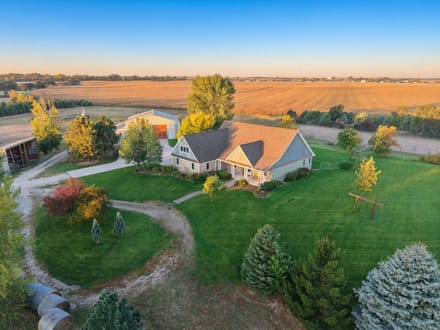
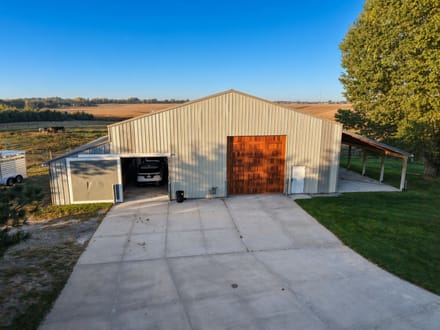
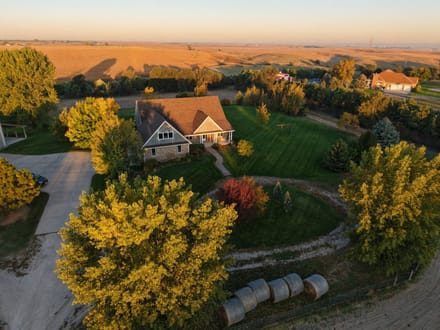
.57± Acres | Dawson County, NE 22 Birdie Lane in Gothenburg, Nebraska is a build-ready homesite positioned in one of the most unique settings in the state. Located within the Wild Horse Golf Club community, this lot sits directly along the 11th ...
0.57± Acres
|
$40,000
New Listing
Dixon County, NE
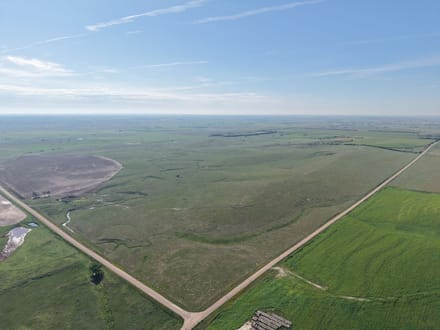
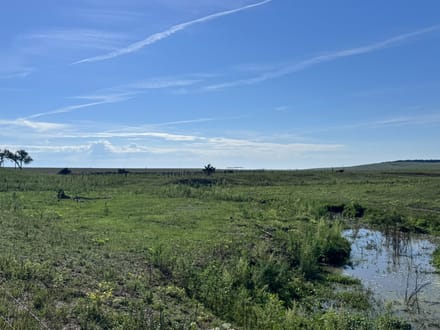
40± Acres | Newcastle, NE If you're looking for a manageable piece of land that actually gets used, this one checks the boxes. Located just outside Newcastle in Dixon County, this 40± acre tract offers a hard-to-find combination of live water, i...
40± Acres
|
$600,000
Dawson County, NE
Nebraska Barn & Grill | Gothenburg, Nebraska The Nebraska Barn and Grill, located at 318 Platte River Rd in Gothenburg, NE, is a prime opportunity to revitalize a beloved local institution. Previously a favorite meeting place for weekly gathering...
1± Acres
|
$1,690,000
Wild Horse Golf Club Lot
Dawson County, NE
Coming Soon...
0.65± Acres
|
$37,000
Calamus Lake Lot
Loup County, NE
Refined Lake Lot Living | 4.5± Acres at Calamus Reservoir | Burwell, NE Looking for something better than your buddy’s crowded lake house? This 4.5± acre tract near Calamus Reservoir offers a smarter way to do weekends, summer getaways, or even retir...
4.5± Acres
|
$109,900
1

Contact Koby Rickertsen

"*" indicates required fields

Koby Rickertsen's Recent Articles

Most landowners spend more time researching a truck purchase than vetting the agent hired to sell family land passed down for generations. I have seen it happen repeatedly. A seller calls, ready to list, and the first question is almost never about credentials. It is about price. That is understandable, but it is also where many land transactions start going wrong long before closing. Yet the agent you choose and whether they hold the ALC designation is the single decision that shapes everything that follows. Why Land Is Not the Same as Residential Real Estate A general real estate license prepares an agent to sell houses. It does not prepare them to evaluate a working farm, negotiate a ranch transaction, or advise on the highest and best use of agricultural ground that has produced income for decades. When selling agricultural land, complexity multiplies quickly. Key factors include: Water rights. In many western states, these can be bought and sold separately from the land. Understanding prior appropriation doctrine, water adjudication, surface versus groundwater rights, and how they impact value is essential. Soil classification. The USDA Web Soil Survey reveals what a property can produce and directly influences valuation and marketing. Many general agents never use this powerful tool. Agricultural income analysis. Leased crop or grazing income becomes part of the assets value. Properly evaluating and presenting it requires specialized knowledge. Additional layers such as mineral rights, conservation easements, timber value, and transitional land considerations. Each element demands expertise far beyond a standard licensing course. What a Properly Trained Land Agent Brings to the Table The difference between an agent with land specific education and one without shows up in pricing, marketing, and negotiation outcomes. A trained land agent can walk the property with you and discuss its true potential. They read soil surveys, analyze income history, explain production capabilities, and understand market forces like commodity prices, interest rates, investor demand, and conservation policies. They also market agricultural properties effectively. The buyer pool is smaller, due diligence takes longer, and the strategy must balance productive value with lifestyle appeal. This requires a specialized skill set and network that general agents rarely possess. Hiring someone who has invested in these skills means you are not just getting a sign on the fence. You are protecting the full value of what your family has built. What It Really Takes to Earn the ALC Designation The Accredited Land Consultant ALC designation is the most recognized credential in land real estate, backed by the REALTORS Land Institute. Earning it is rigorous and demonstrates serious commitment to the specialty. Requirements include: Completion of specific LANDU courses including core courses and specialty courses such as Agricultural Land Brokerage and Marketing. A proven track record of closed land transactions with significant volume in agricultural or other land types. Meeting national standards of education, experience, and professional integrity. The ALC designation is not awarded lightly. It serves as a clear filter for landowners. The agent in front of you has completed advanced training and demonstrated real world performance in land transactions. Why the ALC Designation Matters When Your Land Is on the Line I have been licensed across 12 states and actively worked land deals in six of them. Agricultural ground, ranches, recreational properties, and transitional acreage. The foundation is always the same. You must understand what you are selling before you can represent it well. I have also seen the costly mistakes that occur when that foundation is missing. Listings that sit because pricing ignored income potential. Deals that collapse over unnoticed water rights issues. Sellers who left money on the table because the agricultural value was not properly presented. None of these are the landowners fault. They trusted the agent. Being worthy of that trust requires specialized education, experience, and daily application of land specific knowledge. That is why I take the ALC coursework seriously. The material I teach is the same I use in the field every day. Agricultural Land Brokerage and Marketing Course Buffalo, Wyoming This April, I am leading one of the key specialty courses in the ALC curriculum. Agricultural Land Brokerage and Marketing. Hosted by the RLI Wyoming Chapter, the course runs April 22 and 23, 2026 at the Bomber Mountain Civic Center in Buffalo, Wyoming. It focuses on practical skills including: Analyzing income potential of agricultural ground. Identifying highest and best use using soil data. Marketing strategies that reach the right buyers. Understanding current market forces affecting land values. The course has been updated with relevant provisions from the 2018 Farm Bill. Attendees receive hands on tools such as a USDA Web Soil Survey demonstration, property presentation templates, and practical takeaways they can use immediately. This course counts toward the ALC designation and offers 16 CE hours for Wyoming licensees. It is open to any agent wanting to build real competency in agricultural land brokerage. Course Details and Registration Location: Bomber Mountain Civic Center, Room 103, 63 North Burritt Avenue, Buffalo, Wyoming. Hotel: Hampton Inn by Hilton at 85 US Highway 16 East offers a group rate of 118 dollars per night including hot breakfast. Call 307 684 8899 and mention group code RLI. Book by April 8, 2026 for the special rate. Pricing: Active ALCs: 250 dollars. RLI members not yet ALC: 325 dollars. Non members: 400 dollars. Registration link: rebrand.ly/Buffalo WY For questions, contact Venus Escallier at rliwyomingchapter@gmail.com. If you have been considering strengthening your skills in agricultural land transactions, now is the time to secure your seat. Whether you are working toward the ALC designation or simply want to serve your clients better, this course delivers immediately usable expertise.
A state-by-state breakdown of where land values stand, what is moving, and what landowners and buyers need to understand heading into the spring selling season. I talk to landowners, buyers, and land professionals across thirteen states every week. The question I get more than any other right now is some version of the same thing: “Is the market still holding?” The short answer is yes. The longer answer is that it depends entirely on where you are, what you own, and whether you are paying attention to the right numbers. The national headlines are telling half the story, and in some cases, the wrong half. Crop ground and cattle ground are not the same market. Midwest averages do not describe what is happening in Tennessee or Alabama. And the forces driving land values right now go well beyond corn prices and interest rates. Here is what the market actually looks like, state by state, as of Q1 2026. The Big Picture National farm real estate hit a record average of $4,350 per acre in 2025, up 4.3 percent from the prior year, according to USDA NASS. Cropland averaged $5,830 per acre nationally, up 4.7 percent, and pastureland rose 4.9 percent. Every single state in the contiguous U.S. reported year-over-year gains. [Optional: Insert simple bar or line chart here — “National Farm Real Estate Values 2020–2025” showing the steady climb to $4,350/acre.] Here is the part most people are not saying out loud: those national numbers are masking some serious regional divergence, and if you are making decisions based on the headline, you are flying blind. The Farm Credit Administration’s March 2026 Rural Land Values Update confirms that pasture and ranchland are appreciating faster than cropland across nearly every region, credit conditions are tightening, and non-producer investors remain active buyers. The Federal Reserve Bank of Chicago reported a 6 percent annual increase in Seventh District agricultural land values in 2025, reversing the modest decline in 2024, but more bankers in that same survey expected values to decline in Q1 2026 than increase. Translation: the market is not falling apart. It is separating. Winners and losers are being decided right now, property by property, based on land type, location, preparation, and pricing discipline. Alabama Alabama does not get enough national attention in the land market conversation. That is starting to change, and the window to buy before it fully changes is narrowing. The Southeast timberland market is one of the most compelling land investment stories in the country right now. Fast-growing southern pine, well-established mill infrastructure, and some of the lowest entry price points among productive states make Alabama a legitimate value play for investors who understand how to read land. Loblolly pine rotations every 25 to 30 years generate consistent long-term income, with thinning producing revenue every 10 to 15 years, meaning the land is working even when you are not. What makes Alabama unique is the stacking of revenue streams. Quality hunting tracts in Alabama carry one of the strongest private-lease cultures in the country. Limited public hunting access keeps private lease demand high and pricing competitive. Add merchantable timber on top of that, and you have a property generating income from two separate revenue channels while appreciating in the background. Controlled burns and selective harvests do not just generate income, they actively improve wildlife habitat and future buyer appeal at the same time. For sellers: well-priced recreational and mixed-use tracts are finding serious buyers. For buyers: Alabama still offers a legitimate entry point compared to Midwest and Mountain West pricing, but the tracts that check all the boxes on access, soils, and habitat are getting harder to find every season. Arkansas Arkansas enters 2026 with steady fundamentals on both the agricultural and recreational sides of the market. The FCA’s Delta region data shows land values generally stable through 2025, with a caution flag worth understanding: a sustained period of operational losses in row crop agriculture could eventually add supply and put downward pressure on values if margins do not improve. What I watch most closely in Arkansas is the recreational side. Bottomland hardwood tracts, river access, and quality hunting ground continue to hold strong buyer interest. If you own that type of ground in Arkansas, demand is there. If you are sitting on row crop production ground with thin margins and are thinking about your exit, the conversation is worth having sooner rather than later. Colorado Colorado is not one market. It is several, and they behave very differently from each other. On the ranch and recreational side, 2026 continues to be defined by limited A-class inventory and strong demand for quality. Properties with verified water rights, legal access, wildlife habitat, and strong infrastructure are drawing serious buyers quickly. Properties without those fundamentals are sitting. The performance gap between top-tier ranches and average offerings is as wide as I have seen it. On the agricultural side, eastern plains farmland remains one of the more accessible price points in the West for productive cropland. But water is the defining variable in every Colorado transaction right now. If you are buying in Colorado, your first question should not be about price per acre. It should be about water rights, priority date, and what happens to that property if allocations tighten. That conversation is not hypothetical anymore. Iowa Iowa is the bellwether and Q1 2026 is giving mixed signals worth understanding. The Iowa State University 2025 Land Value Survey reported a 0.7 percent average increase, bringing the statewide average to $11,549 per acre. That is modest, but it follows a 3.1 percent correction in 2024, so it represents stabilization rather than a new run-up. The FCA’s transaction monitoring data showed Iowa sales were relatively flat through most of 2025 before a strong fourth quarter lifted the annual average to $13,818 per acre on highly tillable ground. Without that late-year surge, the year would have been flat. Three things I track closely in Iowa: estate sales now account for 55 percent of all farmland transactions statewide, 84 percent of Iowa farmland is owned debt-free, and the number of cropland tracts sold in Iowa dropped 16 percent in 2025 compared to 2024. When supply is that controlled and sellers are that patient, values hold even in a softening commodity environment. Northeast and livestock-heavy regions of the state are outperforming crop-dependent central Iowa. Location and land type matter as much as the statewide average. Kansas Kansas in 2026 is a split story between crop ground and pasture, and the split is significant. The Kansas City Federal Reserve Agricultural Credit Conditions Survey for Q4 2025 showed non-irrigated cropland slightly negative year-over-year while ranchland posted a 4.1 percent gain. Eastern Kansas continues to outperform western Kansas on the cropland side. The FCA data also confirms the Southern Plains cropland values (Oklahoma and eastern Kansas specifically) jumped 5.6 percent. The real story in Kansas right now is pasture. Cattle prices have driven pastureland upward to levels never seen before in this country, according to land appraisers actively working those markets, and industry professionals expect that trend to continue well into 2028. If you own quality grazing ground near established cattle operations in Kansas, buyer interest is real and competition at auction has been meaningful. If you are a cattle operator looking to expand carrying capacity, be prepared for that competition. Minnesota Minnesota farmland held up well through 2025 and enters Q1 2026 with stable footing. Ag Country’s January 2026 benchmark report showed western Minnesota benchmark values up 2.8 percent in the second half of 2025 and 1.8 percent for the full year. Compeer Financial noted that southwestern Minnesota, northern Iowa, and eastern South Dakota continue to reflect long-term fundamentals rather than short-term commodity swings. The number of cropland tracts sold in western Minnesota declined sharply in 2025, tightening available supply and keeping values firm. The recreational and lake-access segment in Minnesota operates almost entirely on its own demand curve, driven by lifestyle buyers and long-term family transitions, and that segment remains active regardless of corn prices. Missouri Missouri is one of the more consistent performers in Ironhorse territory and 2026 is no exception. The Chicago Fed data shows positive annual movement in farmland values in 2025 following a down year in 2024. Missouri’s price point relative to Iowa and Illinois continues to attract investor interest from buyers who have been priced out of those markets. That price point advantage is real, and it is not going away anytime soon given the trajectory of Iowa values. The Ozarks recreational and timber ground segment is what I watch most closely in Missouri. Hunting properties, river-bottom tracts, and mixed-use recreational ground continue to see consistent buyer demand. Missouri offers a strong value proposition for buyers looking for quality recreational land without Colorado or Wyoming price tags. Nebraska Nebraska requires the most honest conversation in this update. The University of Nebraska-Lincoln 2026 Farm Real Estate Market Survey reported the statewide all-land average declined 1 percent to $3,905 per acre as of February 1, 2026. That marks the second consecutive year of decline since Nebraska hit a record $4,015 per acre in 2024. Crop receipts in Nebraska fell by approximately $576.6 million, or 16 percent, in 2025, reflecting lower corn prices and reduced soybean and wheat production. But the split within Nebraska tells the real story. Center pivot irrigated cropland declined 2 percent statewide on average, with some regions down considerably more. Gravity irrigated cropland declined 3 percent. Dryland cropland also softened. Meanwhile, non-tillable grazing land rose 7 percent statewide and hay land values increased 4 to 7 percent, all driven by strong cattle markets and competition for grazing acres. My honest take: the cropland market is in a recalibration, not a collapse. Long-term fundamentals, limited supply, and productive soils still support the market. But if you own irrigated cropland and have been thinking about your exit timeline, this is not a moment to be passive. Buyers are more disciplined than they were two years ago and pricing expectations need to reflect that. Oklahoma Oklahoma is one of the better-positioned states in Ironhorse territory heading into the spring market. The Kansas City Federal Reserve data from Q4 2025 showed ranchland values across the District, which includes Oklahoma, up 4.1 percent year-over-year, one of the strongest performances in the region. USDA data confirms Oklahoma cropland values jumped 6.9 percent in 2025, among the top gains nationally. Oklahoma’s entry-level price per acre for productive agricultural and recreational ground remains competitive relative to neighboring states, which continues to attract both in-state operators expanding their operations and out-of-state investors looking for value with upside. Strong cattle economics are the primary driver. Buyers looking for quality pasture and mixed-use ground in Oklahoma are active right now, and well-prepared listings are generating real competition. South Dakota South Dakota continues to perform well. USDA data shows South Dakota among the top states nationally for land value appreciation at 6.8 percent in 2025. The FCSAmerica 2026 Land Values Report shows that benchmark values across their four-state territory improved 2.7 percent for the year, with South Dakota gains helping offset modest softness elsewhere. The eastern cropland market remains competitive for high-quality ground. The western ranch and recreational market continues to attract buyers, particularly for properties with strong hunting habitat and reliable water. One dynamic worth watching: more tracts came to market in South Dakota in 2025, but no-sale rates at auction also increased, which signals that some sellers and buyers are still not aligned on price expectations. Well-prepared and accurately priced properties are moving. Properties that are not are finding that out the hard way. Tennessee Tennessee is the most underrated land market in the country right now, and I am going to say that clearly. USDA NASS data shows Tennessee farm real estate value increased 7.7 percent in 2025 and cropland value increased 7.8 percent, ranking second only to Michigan nationally for total appreciation and more than 70 percent above the national average rate of gain. Those numbers are not an accident and they are not a blip. They reflect a structural shift in who wants to be in Tennessee and why. The demand is coming from multiple directions simultaneously: working farm operators in the western corridor, lifestyle buyers relocating from higher-cost states into the central basin, and recreational and timber buyers targeting the Cumberland Plateau and eastern ridges. The Nashville, Chattanooga, and Knoxville growth corridors are pulling transitional land values higher in ways that have nothing to do with commodity prices and everything to do with long-term demographic and migration trends. Here is the honest truth about Tennessee: if you own productive cropland, well-located recreational ground, or mixed-use farm in this state, you are sitting in one of the strongest appreciation environments in the country. If you are trying to buy into Tennessee, come prepared to compete, move decisively, and know exactly where you can and cannot compromise. Wisconsin Wisconsin enters 2026 in solid shape. Ag Country’s January 2026 report showed central Wisconsin benchmark values improving alongside western Minnesota, contributing to a 1.8 percent annual gain. The Chicago Fed reported Wisconsin posted an annual increase in agricultural land values for 2025, slightly stronger than the prior year. Wisconsin’s dairy-driven agricultural economy has provided a cushion that grain-heavy states have not had. Recreational and timber ground in the northern part of the state continues to draw consistent buyer interest. For buyers looking for quality farmland or recreational ground without the competition levels you see further west, Wisconsin deserves more attention than it typically gets. Wyoming Wyoming operates on its own logic and Q1 2026 is no different. The FCSAmerica 2026 Land Values Report shows Wyoming gains helping offset Iowa softness within their four-state benchmark territory, with the overall group up 2.7 percent for the year. On the ranch and recreational side, the market entering 2026 is defined by the same dynamic it has been for three years: extremely limited A-class inventory, strong and disciplined buyer demand, and a clear premium for properties with irreplaceable attributes. Quality ranch properties near Yellowstone, the Bighorns, and other high-value recreational corridors continue to command strong prices. The Yellowstone effect is real and it is not going anywhere. Many well-capitalized ranch owners are under no obligation to sell, which means when a quality property does come to market, serious buyers need to be ready to move. One thing that always bears repeating in Wyoming: mineral rights and water rights add dimensions to these transactions that require genuine expertise. Do not buy or sell a Wyoming ranch without understanding both. What This Means Heading Into Spring 2026 A few things worth taking away from all of this. The market is not falling apart. It is maturing. The buyers who are active right now are serious, well-capitalized, and doing their homework. The sellers generating results are the ones who have prepared their properties properly, priced them accurately, and brought professional representation to the table. The clearest dividing line across almost every state is the same: cattle and pasture ground is outperforming crop ground. Cattle prices have driven pastureland to values never seen before in this country, and according to professionals working these markets daily, that trend is likely to continue well into 2028. As long as cattle economics stay strong and herd rebuilding demand continues, that dynamic will hold. Credit conditions are tightening and that is worth watching. Weaker farm loan repayment rates and higher loan demand for operating credit suggest that some operators are under real financial pressure. If that leads to more forced or voluntary supply coming to market later in 2026, it could shift dynamics in crop-dependent markets. That is not a reason to panic. It is a reason to pay attention. And if you own water-dependent land in Nebraska, Kansas, Colorado, or Wyoming, water risk is not a future conversation. It is a present one. Water is already one of the most important factors in rural land values in those states, and most landowners are not asking the right questions about it yet. The Hidden Forces Most Agents Are Not Talking About The commodity price and interest rate story gets most of the airtime. But several less-discussed forces are quietly doing real work in the current market. Buyers and sellers who do not understand them are making decisions with incomplete information. The Generational Transfer Is the Biggest Driver Nobody Discusses The single largest structural force in the land market right now is not corn prices or interest rates. It is demographics. An estimated $70 trillion in wealth is expected to transfer from Baby Boomers and the Silent Generation to their heirs between 2018 and 2042, with nearly $24 trillion tied up in real estate. Gen X and Millennials are projected to inherit nearly $2.4 trillion in U.S. real estate over the next decade alone. For farmland, the implications are direct: in Iowa, estate sales already account for 55 percent of all transactions, and that pattern is repeating across this territory. This transfer cuts both ways. Heirs who want liquidity create motivated sellers. Heirs who want to preserve family land become a new generation of patient, non-operating landowners who keep supply off the market. Understanding which side of that equation you are dealing with in a specific transaction matters more than any statewide average. The Safe Haven Effect Is Driving Non-Ag Buyer Demand Rural land has been performing its role as an inflation hedge and store of value in ways most agricultural landowners do not fully appreciate. From late 2019 through 2025, median listing prices in rural areas rose more than 70 percent, compared to just over 30 percent in metro counties, reversing decades of wealth concentration in cities. Investors increasingly view timberland, farmland, and ranch properties as stable, tangible assets in a period of broad market uncertainty. That investor demand is a price floor that is entirely disconnected from corn or soybean prices, and it is not going away. 1031 Exchange Activity Is Absorbing Supply That Would Otherwise Soften the Market The 1031 exchange market has become a meaningful support mechanism for land values. According to Accruit’s 2025 analysis, total contractual sales value in 1031 exchanges rose nearly 20 percent in 2025, even as total exchange volume fell 4 to 5 percent year-over-year. Fewer but much larger transactions are occurring. Buyers with 1031 money are known to pay a premium because the tax deferral math justifies it, and that demand has absorbed supply that might otherwise have softened crop-dependent markets more aggressively. Energy Development Is Quietly Lifting Values in Select Corridors Solar development and data center infrastructure demand have introduced a pricing variable that most land market reports do not address. A peer-reviewed study published in the Proceedings of the National Academy of Sciences in 2025 found that large-scale solar development increased agricultural and vacant land values by approximately 19.4 percent within a two-mile radius of project sites. Data center developers are actively targeting rural parcels for their weak zoning, available power infrastructure, and water access, and competition for those sites is already influencing prices in select corridors. For landowners in regions where that development is active, understanding whether your ground carries that option value is part of an accurate pricing conversation. 2026 Investment Risks Worth Watching These are real risks. Not theoretical ones. Trade policy and tariff exposure. Agricultural export markets are under stress. Farmers paid over $530 million in tariffs on imported farm machinery in 2025, plus $273 million on agricultural chemicals, $110 million on fertilizers, and $44 million on seeds. Input cost pressure on top of already compressed margins is a real force that could push more sellers to market in the second half of 2026. Water rights are a distinct legal asset, not an assumed feature. A property with abundant water but weak or junior legal rights to it can become functionally impaired during drought or regulatory action. In Colorado and Wyoming this is well understood. In Kansas and Nebraska it is increasingly important and still underappreciated in many purchase decisions. Credit tightening is a slow-moving but real risk. Weakening farm loan repayment rates and rising demand for operating credit tell you some operators are running out of margin. If that translates into distressed or forced sales entering the market in the second half of 2026, it could change the supply dynamics that have been the primary support for current values in crop-dependent areas. Pricing misalignment is the most common and most avoidable risk in the market right now. No-sale rates at auction are up in multiple states. Some sellers are still pricing 2022 conditions in a 2026 market. That is not strategy. That is wishful thinking. The buyers in this market are sophisticated, and they are not overpaying. If you want to talk about what any of this means for your specific operation, timing, or acquisition plans, that conversation is worth having before you need to have it. Koby Rickertsen is the Founding Partner, CEO, and Managing Broker of Ironhorse Land Company, a multi-state land brokerage specializing in farm, ranch, recreational, and development land across Alabama, Arkansas, Colorado, Iowa, Kansas, Minnesota, Missouri, Nebraska, Oklahoma, South Dakota, Tennessee, Wisconsin, and Wyoming. He is an Accredited Land Consultant (ALC) and host of the American Land Seller Podcast. Data Sources Farm Credit Administration – Rural Land Values Update, March 2026 University of Nebraska-Lincoln – 2026 Farm Real Estate Market Survey Iowa State University – 2025 Land Value Survey Kansas City Federal Reserve – Agricultural Credit Conditions Survey FCSAmerica – 2026 Land Values Report National Land Realty – America’s Impending Great Wealth Transfer References Rural Land Values Update – Farm Credit Administration US Farmland Value Growth Slows in 2025 – Trader PhD Real Estate Rising: Farmland Values Hit Record High | Market Intel First Quarter Midwest Farmland Values Moved Up Slightly… – Federal Reserve Bank of Chicago Farmland Values 2026: Trends in Iowa, Nebraska, South Dakota… – FCSAmerica The 2026 Farmland Market | Bell Bank Nebraska Farm Real Estate Report – Center for Agricultural Profitability Beyond the City Limits – The Mortgage Point Reflections on the 2025 Land Market: A Year of… - AFM Real Estate How Tariffs Could Impact Agriculture in 2026 - Ag America Lending Tariffs, Farm Costs and Global Competition Reshape U.S. Agriculture
In this episode of The American Land Seller, we sit down with Geoff Hurdle, respected land developer, broker, and the 2026 National President of the Realtors Land Institute (RLI). Geoff has built his career around a disciplined approach to land development, identifying opportunity in large tracts and transforming them into smaller, accessible parcels that make land ownership possible for more people. Our conversation dives into the mindset and mechanics behind that strategy. Geoff explains how buying, developing, and selling smaller rural tracts, often in the three to five acre range, creates an entry point for first-time buyers, hobby farmers, and families who simply want space outside the city. We also talk about the role of owner financing, fair deal structures, and the importance of working with buyers through challenges while maintaining professional standards. https://youtu.be/OfqnxSTBcc8 Beyond development strategy, Geoff shares insights from his leadership within the Realtors Land Institute, including the importance of education, community, and professional standards in the land brokerage industry. Organizations like RLI continue to play a critical role in elevating the profession through programs like the Accredited Land Consultant (ALC) designation and events like the National Land Conference, where relationships, education, and real business opportunities come together. We also discuss how modern land professionals balance technology and experience. Today’s tools, from advanced mapping platforms to aerial imagery and flood data, have made research faster and more accessible. But as Geoff explains, technology never replaces the fundamentals. Walking the property, understanding the land firsthand, and bringing real-world experience to the transaction remain essential. Geoff also shares his perspective on transitional land opportunities, working with builders, and how a focused brokerage operation can successfully serve both local and national clients by maintaining strong processes and attention to detail. Along the way, we revisit the surge in rural land demand during the COVID years, the lessons that period taught about readiness and inventory, and why thoughtful zoning and mixed rural uses can help create stronger, more resilient communities. In this episode we discuss • How smaller tract development can open the door to land ownership• Structuring owner financing for rural land buyers• RLI’s role within NAR and the importance of professional education• Why boots-on-the-ground experience still matters in land brokerage• Lessons learned from the COVID era surge in rural land demand• Transitional land opportunities for builders and developers• The value of conferences, education, and relationships in the land business If you care about credible land brokerage, better buyer experiences, and practical ways to expand land ownership, this conversation offers both insight and perspective from someone who has spent years working through complex land deals and helping shape the future of the profession. Connect with Geoff Hurdle Work Phone: (615) 815-9364Email: thelandman@geoffhurdle.comWebsite: http://geoffhurdle.com